£15,000 was donated in April 2025 to Forest of Avon to support the Woodland Wellbeing Project. This project is a partnership between Forest of Avon and University Hospitals Bristol and Weston NHS Foundation Trust and North Bristol NHS Trust’s Cardiac Rehabilitation teams.
The purpose of the project is to create a space to address the psychological impact that comes after a heart event as well as offering exercise in a safe environment. Leaders help participants to learn to trust their bodies again, offer practical advice on emotional wellbeing and dealing with low mood. The nature-connection helps to promote relaxation and mindfulness, peer support, and support for social and family networks.
Who did the money help?
The project supported 27 people who had had a cardiac event. In addition, 8 family members attended friends and family sessions. All participants were in cardiac rehabilitation, many also attended physical rehab sessions. Just under a third of participants were women (11 women to 24 men).
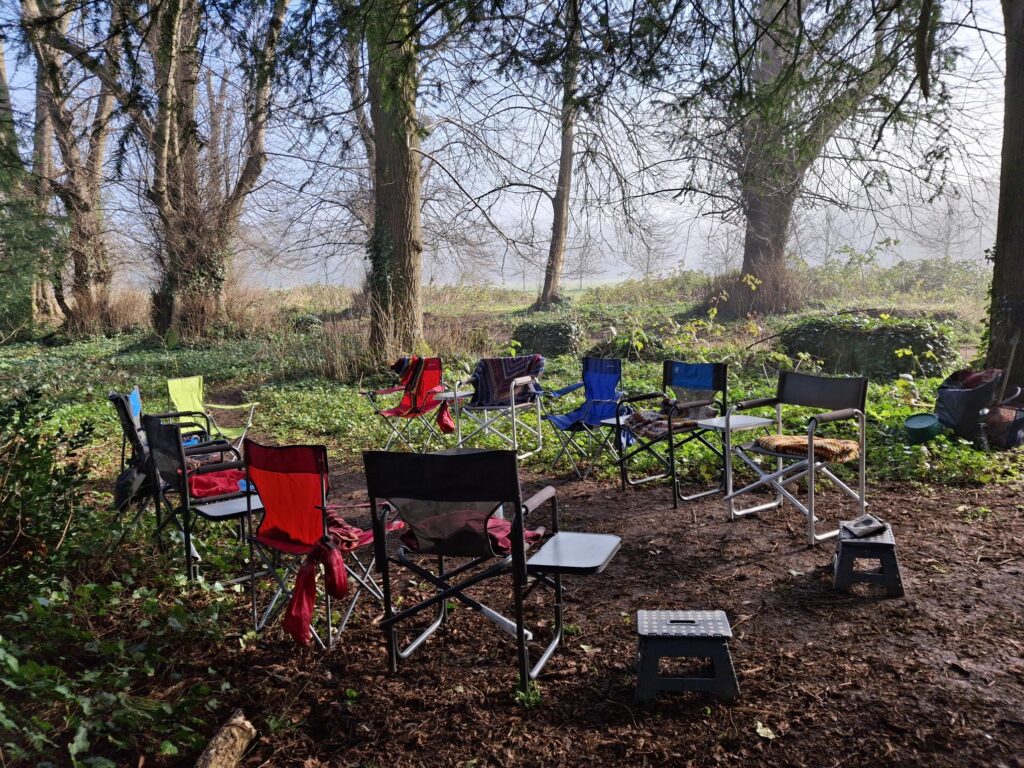
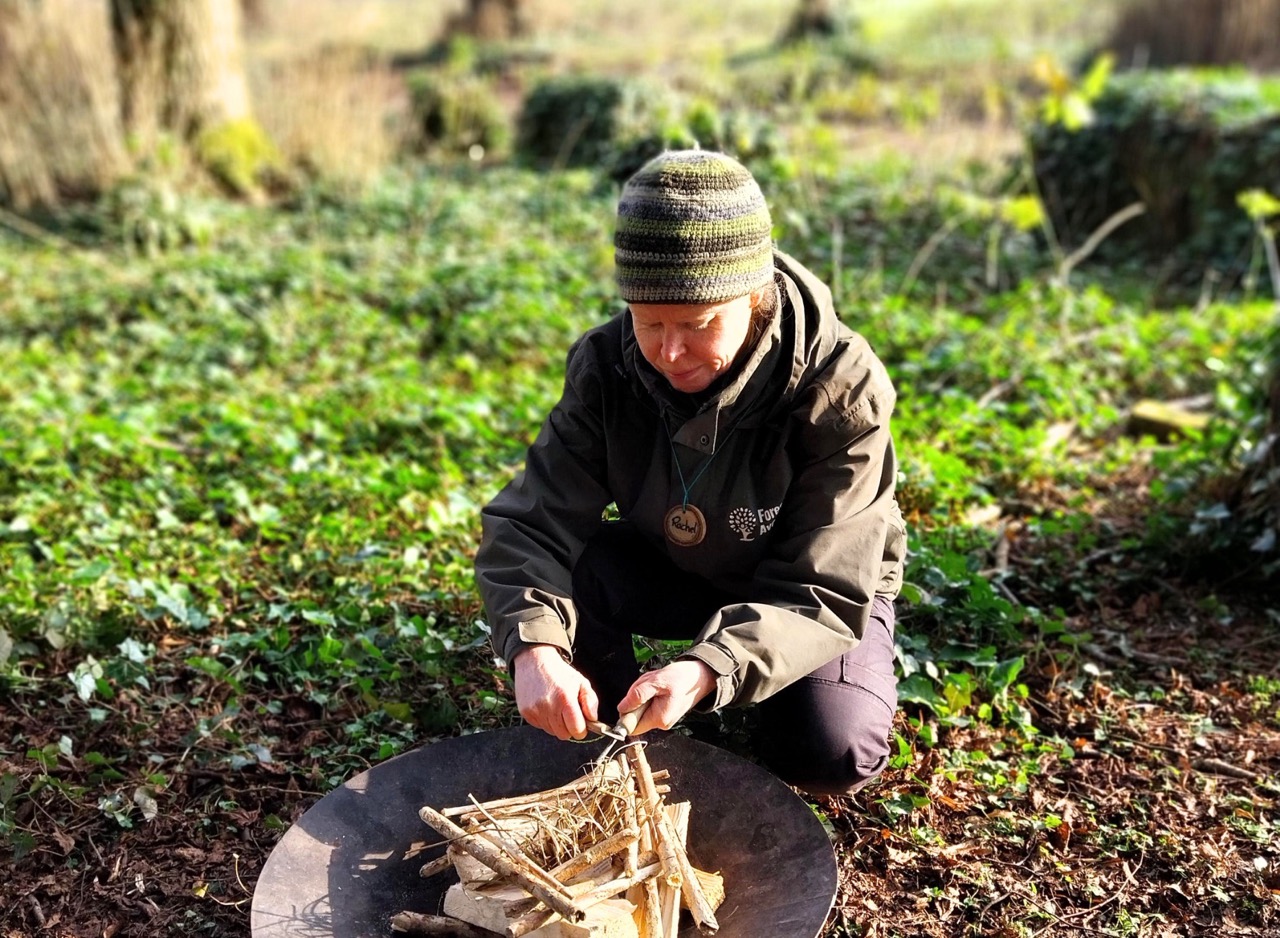
The sessions started with simple nature-based grounding, focusing on senses and the natural world around us. Participants were encouraged to join a walk with a seasonal or nature-themed focus so that people would become absorbed in their surroundings rather than on the physical activity and impact on their body. As the sessions continued the walks tended to get gradually longer, and more people joined the walk as their confidence grew. Other activities included: watching-wildlife, creative expression, making hazel-pencils and fire-lighters. Activities were as person-centred as possible so varied depending on people in the group and their interests and needs.
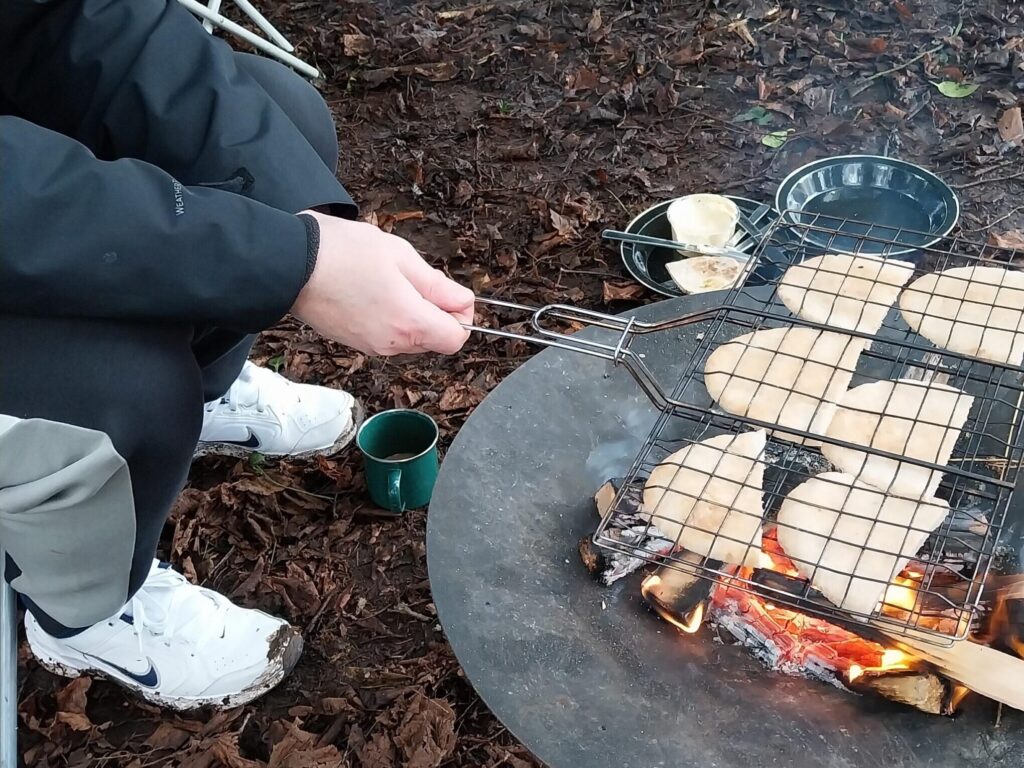
Participants cooked a heart-healthy snack on the fire each week and at the end of each block people went home with a selection of simple, healthy recipes which they could make at home. A clinical psychologist from Southmead Hospital attended every session and there was space for people to talk with each other either 1:1 or as a group. The psychologist could also answer any questions or problems people had and to support referrals into talking therapies where needed.
Key feedback from participants
Many participants fed back that they really appreciated being out in nature rather than in a clinical setting as part of their recovery. Specifically, evaluation results show that people felt happier, more optimistic, more confident and more relaxed by the end of the block compared to how they felt at the start.
One participant commented,
“I now view walking outdoors as part of my ‘treatment’ rather than a treat to fit in as and when.”
At the start only 21% of people reported high levels of happiness on the mood scale with 14% reporting that they felt unhappy. By the end 82% of people reported feeling very happy (in the top area of the mood scale) with no-one reporting feeling unhappy.
The British Heart Foundation reports that approximately 15% of people who have survived a heart attack become seriously depressed in the following weeks and for some, that depression persists. Another 25% experience milder symptoms of depression or anxiety, but this is linked to future problems with a twofold increase of risk of another cardiac event. The Woodland Wellbeing Project seeks to address some of these issues.
Having attended a Woodland Wellbeing session ourselves in Bristol, we have had the opportunity to talk to people firsthand about the impact of the project. Spending time in nature takes people out of the hospital environment and offers them the opportunity to find new ways to manage their anxiety and low mood.
“I feel the group has provided a missing part of my treatment – a vital component to remain well”